Aluminum industry decarbonization
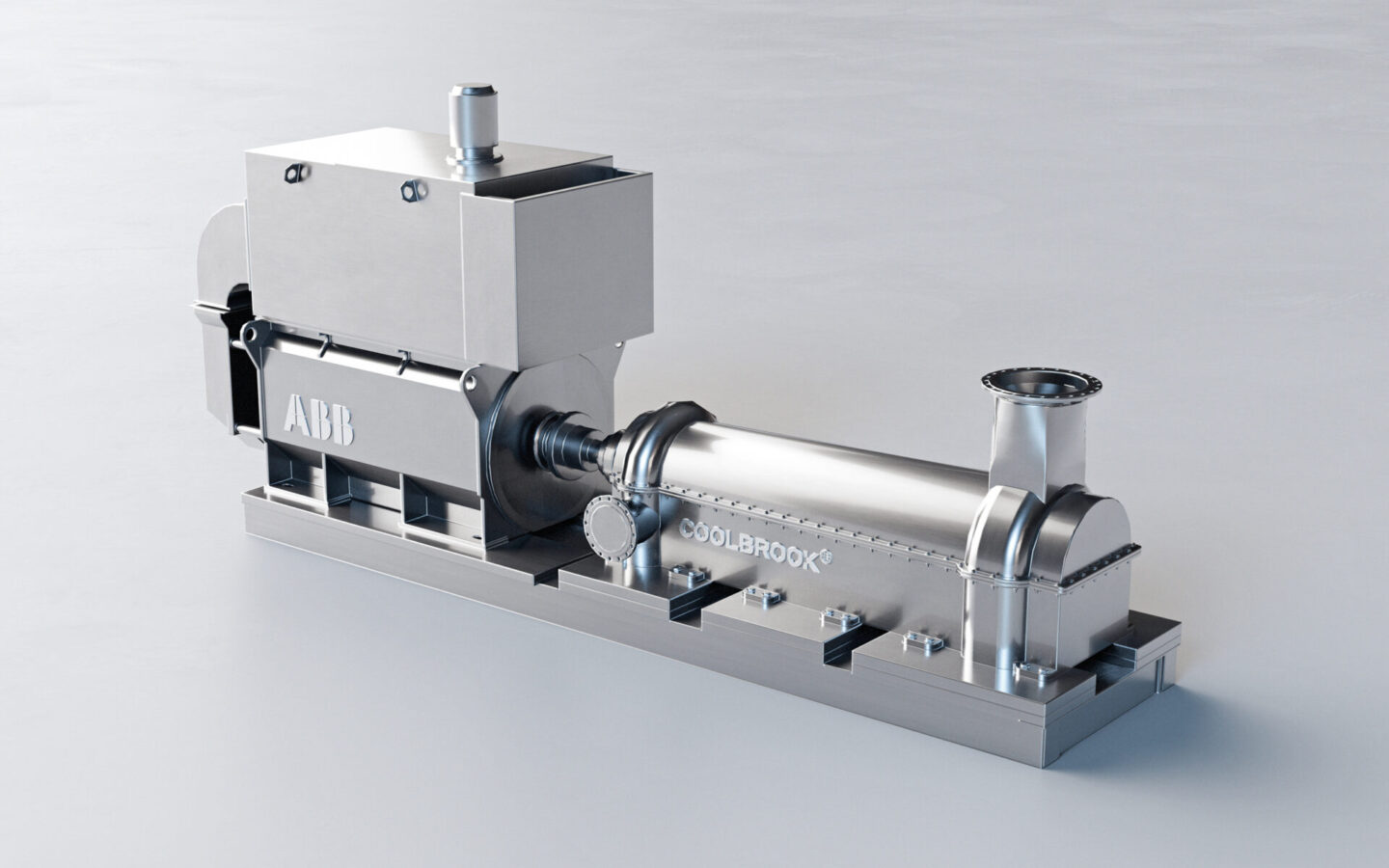
The RotoDynamic Heater™ (RDH) replaces fossil-fuel burners in aluminum production with clean electricity – today in reheating, heat-treatment and de-coating furnaces and in preheating primary air for alumina calcination, and later in holding, casting and melting furnaces and the full electrification of calcination.
Electrifying aluminum production
The aluminum industry accounts for about 2% of global CO₂ emissions. Most of it comes from the electricity used in smelting, but alumina refining, melting, casting and heat treatment still burn natural gas and other fossil fuels for heat. RDH heats air, nitrogen, CO₂ or recirculated exhaust gas with electricity, and the hot gas replaces burner firing in the furnace or kiln.
Key benefits
- No combustion emissions: no CO₂, NOx or SOx from fuel firing; zero CO₂ with renewable electricity
- Lower carbon and fuel costs: avoids fuel purchases and carbon-emission costs, and can use low-priced renewable power
- Efficient: 90–95% of the electricity becomes process heat; exhaust heat can often be recovered
- Available today in multi-megawatt scale with a path to scale to 50+ MW
- Compact: fits into new plants or retrofits into existing ones
Where RDH fits in an aluminum plant
Available now
Primary air preheating for alumina calcination
(Alumina refining)
RDH heats the combustion air fed to the calciner burners, so less fuel is needed to reach the calcination temperature.
- Temperature: Up to 900 °C
- Benefits: Lower fuel use and CO₂ in the refinery’s largest heat user today, and the first step towards fully electrifying calcination.
Reheating and homogenizing furnaces
(Primary & Secondary)
RDH replaces gas burners in furnaces that reheat ingots and slabs before rolling or extrusion.
- Temperature: Up to 900 °C
- Benefits: Fossil-free reheating with accurate temperature control.
Heat-treatment furnaces
(Primary & Secondary)
RDH supplies the hot gas for solution heat treatment, ageing and annealing.
- Temperature: Up to 900 °C
- Benefits: Tighter temperature control for product quality and higher yields, with no combustion gases in the furnace
De-coating kilns
(Secondary)
RDH heats the gas that removes paints and coatings from scrap before melting.
- Temperature: Up to 900 °C
- Benefits: Fossil-free scrap preparation for recycling
Available later
Full electrification of alumina calcination
(Alumina refining)
RDH replaces the fossil-fuel burners in the calcination kiln, heating air or exhaust gas.
- Temperature: 1,000 – 1,300 °C
- Benefits: Increases production capacity and removes fuel-combustion CO₂ from the calciner, with exhaust heat recovered.
Holding and casting furnaces
(Primary & Secondary)
RDH replaces fossil-fuel heat in holding and casting furnaces, using CO₂, nitrogen or exhaust gas
- Temperature: Up to 1,200 °C
- Benefits: Full electrification of holding and casting, with accurate temperature control.
Melting furnaces
(Secondary)
RDH enables partial, then full electrification of the melting furnace, using CO₂, nitrogen or exhaust gas.
- Temperature: Up to 1,500 °C
- Benefits: More accurate temperature control and significant to full reduction of melting CO₂.
Roadmap
Path to decarbonizing aluminum processes
2026–27
First Applications
Alumina refining:
- Primary air preheating for alumina calcination
Primary and secondary aluminum:
- Electrification of reheating furnace
- Electrification of heat treatment furnaces
Secondary aluminum:
- Electrification of de-coating kiln
2028-30
Higher temperature heat
Alumina refining:
- Full electrification of alumina calcination
Primary and secondary aluminum:
- Electrification of off-gas incinerator
- Electrification of holding and casting furnaces
Secondary aluminum:
- Partial electrification of melting furnace
2030+
Full electrification
Secondary aluminum:
- Full electrification of melting furnace