
RotoDynamic electrification solutions for heavy industry

Our Technology
Rocket science and turbomachinery meet chemical engineering
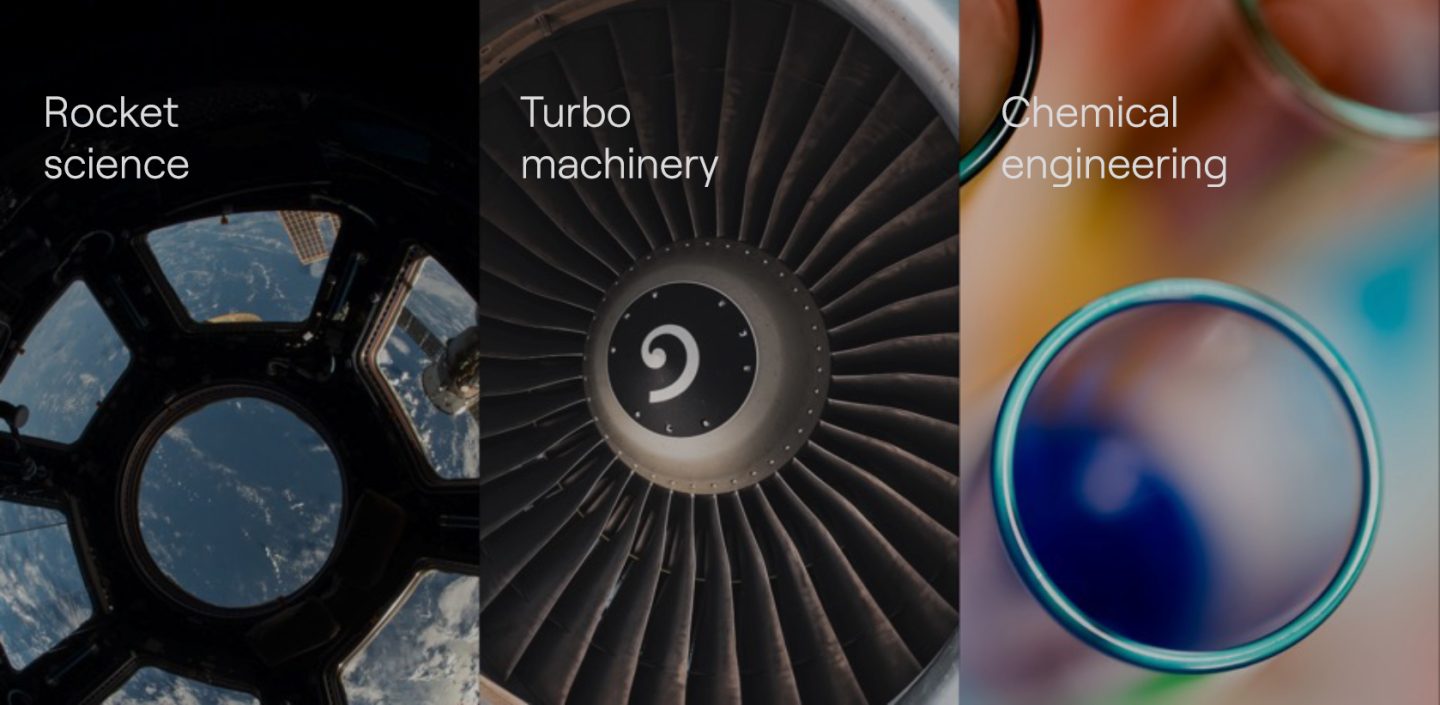
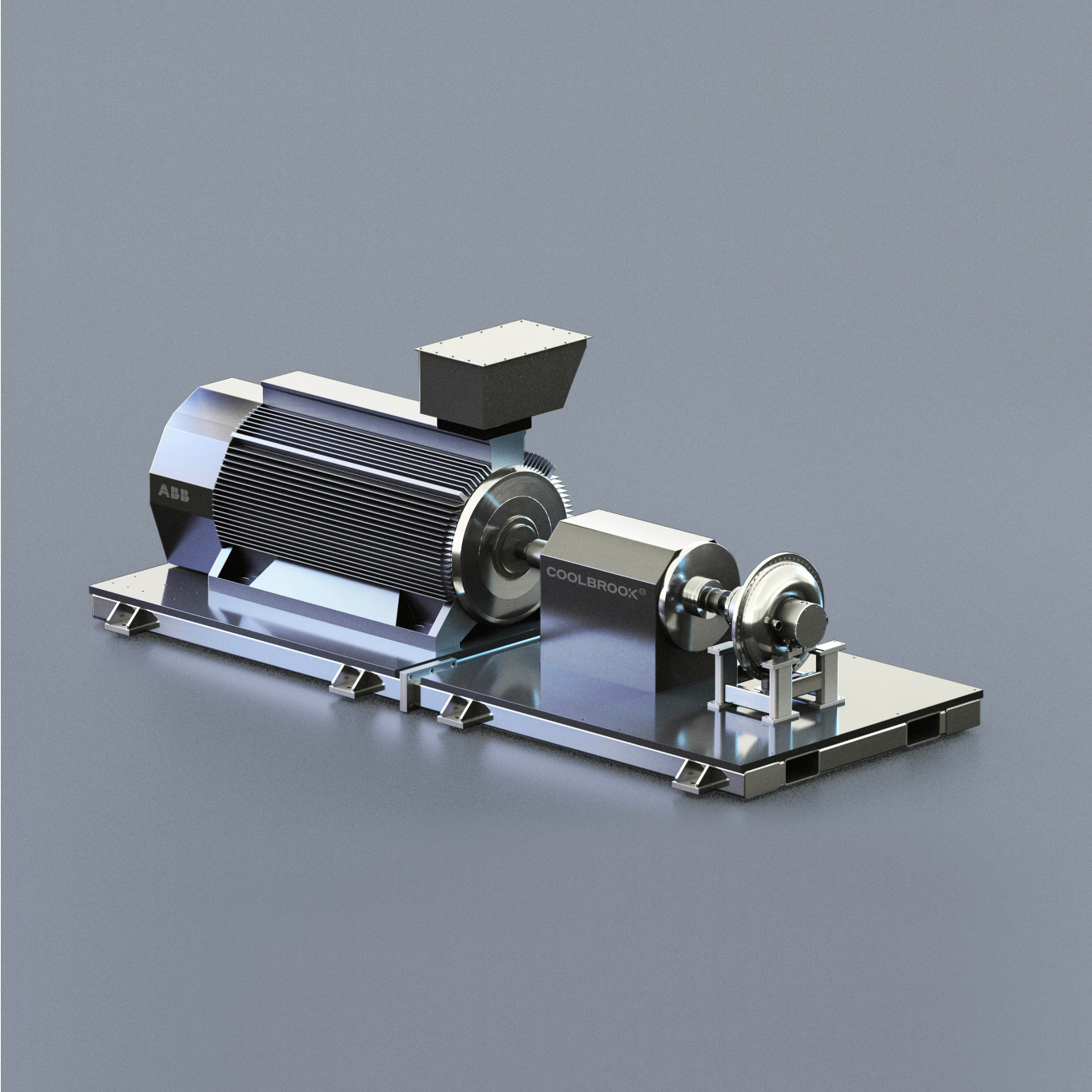
Coolbrook’s patented RotoDynamic Technology combines rocket science, turbomachinery and chemical engineering. An electric motor drives a rotor that transfers mechanical energy directly into a gas, turning it into heat – without combustion. It electrifies high-temperature industrial processes long considered hard to abate.
The technology has two applications: RotoDynamic Heater™ (RDH) for industrial process heat and RotoDynamic Reactor™ (RDR) for steam cracking. At full deployment they can cut up to 2.4 Gt of CO₂ a year – about 7% of global emissions.
RotoDynamic Technology in Figures
2.4 Gt
CO2 reduction potential a year at full deployment
7%
Of global CO2 emissions
1,700 °C
RDH design temperature
Industrial electrification and decarbonization
Two products, one technology
RDH and RDR replace fossil-fuel combustion in high-temperature industrial processes with clean electricity.
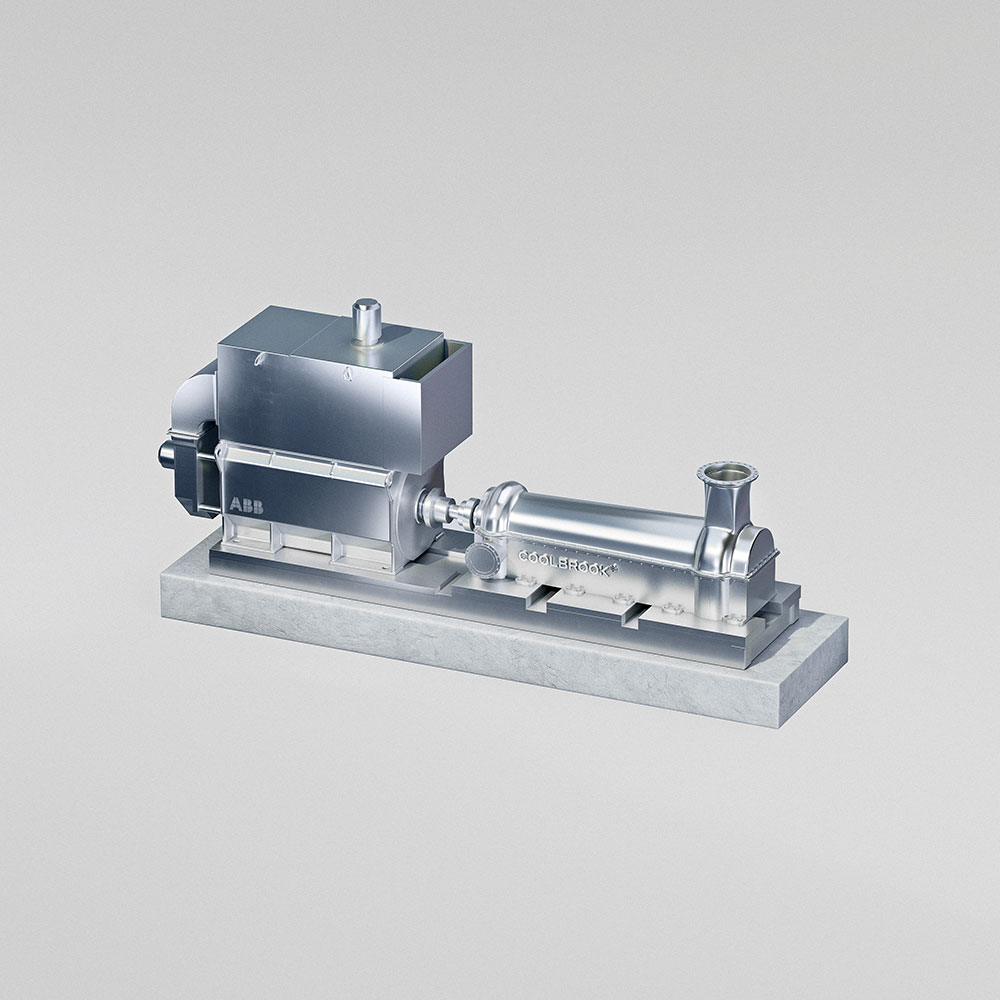
RotoDynamic Heater (RDH)
Electric process heat for cement, iron and steel, aluminum, petrochemicals and beyond. Designed for up to 1,700 °C and demonstrated above 1,000 °C at MW scale.
RotoDynamic Reactor (RDR)
Electric steam cracking for olefin production, with no fuel-combustion CO₂ when powered by renewable electricity and 10+% increase in ethylene and propylene yield.
RotoDynamic Technology is being commercialized today
Coolbrook’s first commercial RotoDynamic Heater™ is in delivery to Adani Cement’s plant in India. The next generation of RDH and the first commercial RDR are in development.
2021 – 2025
- Establishment of strong patent portfolio
- Successful pilot program at Coolbrook’s test facility in Brightlands Chemelot Campus for RDH™ and RDR™ with more than 5,000 operating hours to date:
- Temperatures above 1,000 °C reached (RDH)
- Hexane, naphtha, and pyrolysis oil successfully cracked (RDR)
- Establishment of a wide partner network of world-leading universities, customers, and technology partners
- Development of the first commercial industrial product (RDH™)
- Signing of the first commercial delivery contract
2026 – 2028
- Delivery of the first commercial project
- Further customer orders for follow-on projects across target industries:
- Cement
- Iron and Steel
- Aluminum
- Petrochemicals
- Further expansion of the partner network with world-leading technology partners
- RDH™ and RDR™ part of electrification technology offering of key suppliers and EPC companies
- Development of core technological features for:
- High-temperature RDH™
- First commercial RDR™
2029 →
- High number of commercial deliveries to customers across target industries
- Expansion to new use cases requiring higher temperatures and power levels
- Continued partnerships within a network of globally leading industry players and decarbonization actors in different sectors
- Launch of the next generation products:
- High-temperature RDH™ capable of reaching temperatures of 1,400 °C (and ultimately 1,700 °C)
- First commercial RDR™ to decarbonize ethylene production at scale
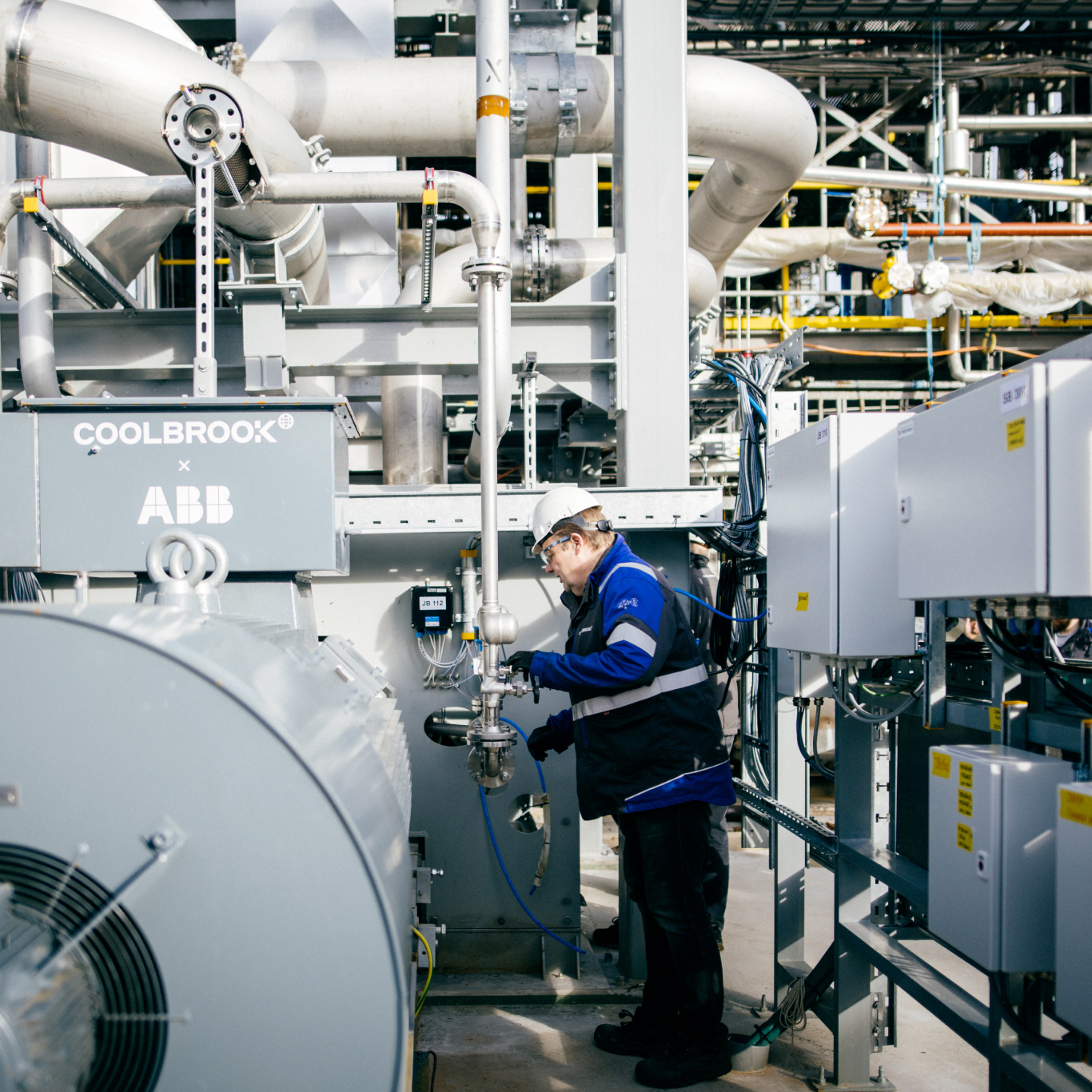
What the pilot has shown
- More than 5,000 operating hours with RDH and RDR
- RDH: Multitude of gases (air, nitrogen, steam, methane, helium, CO2) heated above 1,000 °C
- RDR: Hexane, naphtha and plastic-waste pyrolysis oil cracked
- Modelling and design parameters validated – the basis for the first commercial unit
We develop and deliver RotoDynamic Technology with leading industrial, technology and manufacturing partners and universities.
Why direct electrification
Everything that can be electrified, must be electrified
Electrifying industrial processes – including the hardest to abate – is key to the emission cuts the world needs and to speeding up the transition to net zero. For most high-temperature heating duties, direct electrification with clean electricity is the most energy- and cost-efficient route to zero-carbon production.
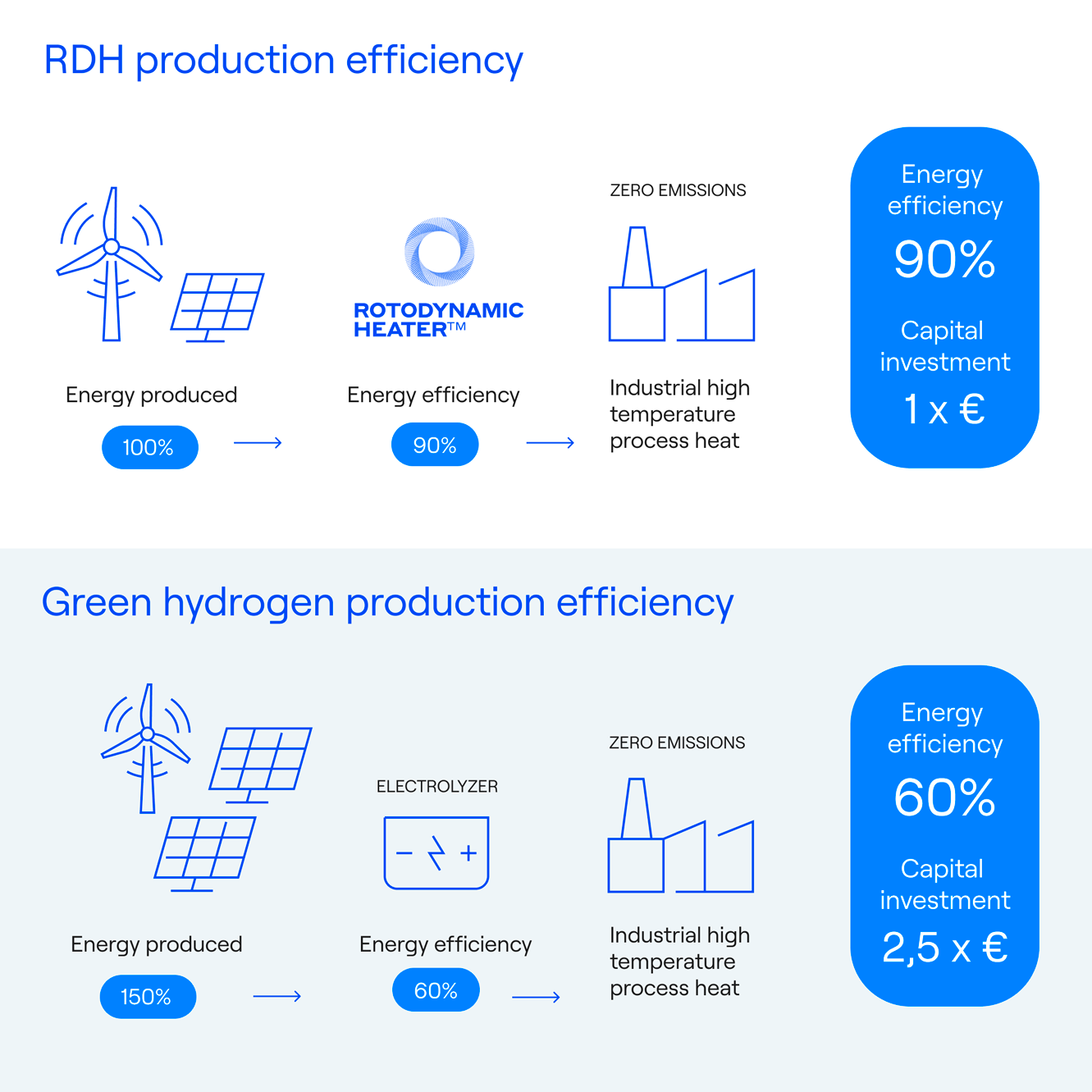
Direct electrification compared to green hydrogen
Cost: about 30–60% lower operating costs with RDH than with green hydrogen.1
Infrastructure: large-scale use of green hydrogen needs major investment in hydrogen infrastructure and electricity networks.
Efficiency: 90–95% of the electricity becomes process heat with RDH, compared with 40–60% when the electricity is first turned into hydrogen and then burned.
1 Coolbrook analysis (2023), assuming green hydrogen at USD 2,700 per tonne in 2030, electricity at USD 40/MWh, and a 10–30% electricity price premium for direct electrification compared with electrolysers.